

-
-
-
Emami City Tower
2 Jessore Road, Kolkata – 700028
Emami City Tower
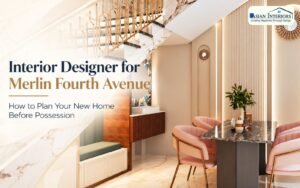
Many homeowners begin thinking seriously about their home only when possession or move-in is close. That can create unnecessary pressure. For people searching for Premium interior designer at Merlin Fourth Avenue interior designer, the pre-possession period can be an opportunity to organize requirements and create a practical design roadmap. Starting early does not require committing immediately to every decorative detail. It means making the decisions that will affect layout, services, storage and customized work in a more considered way.
List every room and its intended purpose. Note essential furniture, storage, appliances, electrical requirements and special needs. Include existing items you plan to retain.
Property plans are useful, but final measurements should be confirmed before customized furniture is fabricated. Small differences can affect wardrobes, appliances, wall units and circulation.
The layout influences many later decisions. Television points, study areas, bedside switches and lighting locations should follow how furniture will actually be positioned.
Think beyond standard points. Consider charging, workstations, routers, televisions, mirrors, appliances and future needs. A complete furniture layout makes this discussion easier.
Separate essential functional investments from optional upgrades. This can help homeowners make confident decisions without losing sight of the overall design.
Certain decisions affect other activities. Measurements and layouts should generally be resolved before related customized work, while some decorative choices can be finalized later.
Agree on how site visits, approvals and updates will be handled. A clear communication process is useful for homeowners who cannot visit the property frequently.
Begin practical planning early enough to develop requirements and layouts without rushing. Exact timing depends on property access and your intended move-in schedule.
Property plans, available measurements, family requirements, inspiration references, existing furniture details, budget priorities and target move-in timing are useful.
The layout influences storage, electrical points, lighting and customized furniture, so it can prevent later changes.
Yes. Some decorative selections can wait, but decisions that affect dimensions, services or fabrication should be considered earlier.
Use a clear checklist, approve major drawings carefully and document important decisions before related work begins.
Getting ready for your new home at Merlin Fourth Avenue? Contact Asian Interiors to create a clear design and execution roadmap before the pressure of moving in begins.
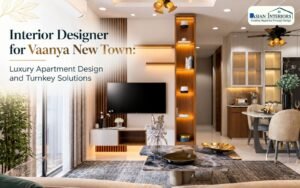
For busy professionals and high-profile families, a premium home project is not only about the final appearance. The process matters too. Coordinating separate designers, contractors, carpenters and suppliers can require considerable time and attention. Homeowners searching for a Vaanya New Town interior designer may therefore prefer a more coordinated approach where design decisions and execution stages are connected. A well-managed turnkey process can help simplify communication while still allowing the home to remain highly personalized.
Turnkey does not have to mean a one-size-fits-all package. Before appointing a team, understand which services are included, who is responsible for measurements, approvals, materials, site coordination and quality checks. Clarity at the beginning helps reduce confusion later.
The design should respond to the people living in the home. Discuss family size, work routines, entertaining habits, storage, existing furniture and future plans. This information is more valuable than selecting a style label alone.
Wardrobes, kitchens, study spaces, entertainment units and utility storage often benefit most from customization. These areas are used frequently and need to fit the property’s actual dimensions.
Premium finishes should look refined, but they also need to suit daily use. Consider cleaning requirements, durability, fingerprints, moisture exposure and repairability before finalizing materials.
When several vendors work independently, the final home can lose consistency. A coordinated design direction can connect furniture, lighting, finishes and detailing across rooms.
Not every choice needs to be made on day one, but some decisions affect later work. Establish a sequence for layout approvals, electrical requirements, materials, customized furniture and final accessories.
For premium projects with multiple details, written approvals and clear specifications can prevent misunderstandings. This is particularly useful when homeowners have limited time to visit the site frequently.
The exact scope varies. It may combine design development with agreed coordination and execution activities, so homeowners should confirm inclusions and exclusions clearly.
A coordinated approach can reduce the effort required to manage multiple independent vendors and create clearer communication channels.
Yes. Customization should be based on lifestyle, dimensions, functional requirements and aesthetic preferences.
Compare scope, specifications, materials, responsibilities, timelines and exclusions rather than looking only at the final price.
Written approvals reduce ambiguity and provide a clear reference when multiple details are being executed.
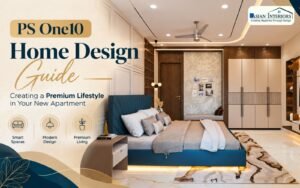
A premium home should reflect more than a design trend. It should reflect the people who live there. Homeowners searching for a PS One10 interior designer may have very different priorities: one family may want an elegant entertaining space, another may need a sophisticated home office, while another may focus on privacy and comfort. A successful premium home design starts by identifying these priorities and turning them into a coherent plan.
Luxury can mean comfort, privacy, craftsmanship, convenience or a combination of these. Begin the design process by identifying what matters most to your family. This creates a stronger foundation than copying a single reference image.
A good living room should support everyday relaxation as well as guests. Consider seating zones, conversation flow, television placement, display requirements and flexible lighting. Avoid filling every wall with storage or decoration; visual breathing space can be as valuable as furniture.
Bedrooms should feel personal while remaining connected to the home’s overall design language. Customized wardrobes, integrated study areas, bedside lighting and practical charging points can improve daily comfort.
Instead of using a different dramatic finish in every room, establish a controlled palette. Repeat selected tones or textures in complementary ways. This often creates a more sophisticated result.
Bespoke furniture is most effective when it solves a specific problem: an awkward wall, insufficient storage, a work requirement or the need for a multi-functional room. Customization should add value, not simply add complexity.
Children’s rooms, study areas and storage requirements can change. Flexible layouts and adaptable furniture can extend the useful life of the design.
Hardware, drawer systems, frequently used shutters, work surfaces and lighting controls influence daily experience. Premium design is often felt through these details long after the decorative novelty has faded.
Start with your routines and priorities, then customize layouts, storage, lighting and selected furniture around them.
Good proportions, restrained material selection, layered lighting and uncluttered planning can create a sophisticated result.
No. Customize where it improves functionality, fit or visual integration. Standard pieces can still be appropriate in other areas.
Consider flexible rooms, integrated storage and electrical requirements early so the space can adapt later.
Asian Interiors can be consulted for customized residential planning and coordinated execution based on your project requirements.
Turn your PS One10 apartment into a home designed around your lifestyle. Contact Asian Interiors for a personalized consultation and a clearer roadmap from concept to execution.

For many homeowners, the period before moving into a new apartment is the best time to make important design decisions. Searching for an Urvisha The Condoville interior designer often means you are thinking ahead about how an empty apartment can become a personalized home. Early planning does not mean rushing into execution. It means understanding requirements, preparing layouts, comparing options and reducing the pressure of making every decision at the last minute.
Create a written brief covering family members, room usage, storage, work requirements, entertaining habits and preferred aesthetic direction. Include a list of furniture and appliances you already own. This gives the design process a practical starting point.
A premium sofa or dining table can still be the wrong choice if it disrupts circulation. Use the property dimensions to understand furniture scale, door clearances and movement paths before making major purchases.
Consider charging points, bedside requirements, workstations, television locations, mirrors and appliances. Lighting should be planned around the furniture layout so task, ambient and accent lighting can work together.
Many homes have adequate clothing storage but insufficient space for cleaning equipment, luggage, linens, seasonal items and household essentials. A complete storage strategy can make the finished home feel significantly more organized.
Compare samples rather than relying only on catalogue images. Consider texture, maintenance, durability and how the finish appears under the home’s lighting. Premium design is often about making fewer but better-considered choices.
A priority-based plan can help distinguish between must-have functional investments and optional decorative upgrades. This does not mean compromising the design; it means allocating resources where they create the greatest daily value.
Design approvals, measurements, services, ceilings, customized work and finishing activities should follow a coordinated order. Frequent late changes can increase complexity and affect timelines.
The earlier you begin practical planning, the more time you have to understand requirements, develop layouts and make material decisions without unnecessary pressure.
Yes. A personalized design process should account for routines, storage needs, work requirements and aesthetic preferences.
The broad layout, major furniture dimensions, key service requirements, selected scope and important materials should be discussed clearly.
It helps organize decisions and reduces the risk of overlooking measurements, appliances, storage or service requirements.
Asian Interiors can discuss design planning and coordinated execution options based on the requirements and scope of your project.
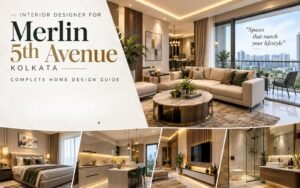
A home at a premium residential address should feel complete, not assembled room by room over time. Homeowners looking for a Merlin 5th Avenue interior designer can benefit from planning the entire property before fabrication or furniture purchases begin. A full-home approach makes it easier to coordinate colours, materials, lighting, storage and circulation while still giving each room its own personality. The result can be a more timeless home with fewer last-minute changes.
Start by listing every room and how it will be used. Include daily activities, guests, storage, appliances, work requirements and any existing furniture. Separate essential requirements from optional upgrades. This prevents the project from being driven entirely by visual inspiration.
The entry should be practical as well as elegant. Consider where shoes, keys and everyday items will go. A compact customized unit or discreet storage can keep the first view of the home uncluttered.
Living and dining spaces often work together, so furniture proportions and circulation should be planned as a group. A dining table that is technically the right size may still feel too large if chairs cannot move comfortably. Consider entertaining patterns and leave enough flexibility for daily use.
The master bedroom may need a calm visual palette, layered lighting and generous wardrobe organization. Children’s rooms can benefit from adaptable storage, while a guest room may need multi-functional furniture. The key is to design for actual routines rather than a generic showroom concept.
Premium homes can still feel cluttered when storage is treated as an afterthought. Plan wardrobes, utility storage, linen areas and specialized units early. Full-height storage can use vertical space efficiently when proportioned carefully.
Kitchen planning should begin with actual cooking habits and appliance sizes. Consider workflow between preparation, cooking and cleaning zones. Electrical and plumbing requirements should be coordinated before related finishes are finalized.
A premium look often comes from restraint. Choose a core palette and allow selected materials to repeat across different rooms in complementary ways. This creates continuity without making every room identical.
Trends change, but daily habits remain. Select durable hardware, practical finishes and layouts that can continue to work as the family’s needs evolve.
For a cohesive premium result, full-home planning can coordinate finishes, circulation and budgets more effectively while allowing individual rooms to retain their own character.
Yes. Bespoke furniture can respond to actual wall dimensions and storage requirements, reducing awkward unused areas.
Start with how you want the home to feel and how you live. A designer can then translate selected references into a practical, consistent design direction.
Layout, dimensions, appliance requirements, electrical points, materials and functional details should be reviewed carefully.
A coordinated scope can simplify communication by aligning design and execution responsibilities under a clearer process.
Own a home at Merlin 5th Avenue? Speak with Asian Interiors about a customized full-home design that balances premium aesthetics with everyday comfort and practical long-term value.
In the fast-changing decoration age in present times, furniture no longer remains to do nothing but merely to serve the purpose of functionality. It has become an element to contribute to giving your interior its personality. From minimalist to green lines nowadays, contemporary furniture trends are a manifestation of busy lives as well as homeowners’ style. For people looking to re-design their homes, advice and tips from these modern interior designers in kolkata can lead the way and help follow the latest trends based on one’s personal taste.
Minimalism remains a reigning trend, but with a twist—there is no compromise on comfort levels. Consider low-slung sofas with plush cushions, modular furniture systems, and furniture pieces that provide the best of sleek looks and comfort-driven functionality. Chunky furnishings are a relic of the past; property owners currently desire skinny designs that provide an airy, open feel.
Sustainability can no longer be an afterthought. From reclaimed wood to bamboo, to rattan, even recycled metal; the furniture which all these can be recycled and reused as is rapidly becoming very popular at a breakneck speed. Water-based coatings and low VOC material are also part of the list. Not only is it doing the environment a world of good, but it also gives homes today an alternative texture and personality.
As city residential areas become smaller, multifunctional products become unavoidable. In such a situation, foldable beds, storage ottomans, adjustable dining tables, or wall desks are intelligent, space-saving products that city planners and urban residents adore.
Modern design today shifts away from rigid forms to soft and curvaceous ones. From bent settees to curved tables that are in the shape of a kidney and round, organicly shaped chairs, these furniture pieces add an essence of luxury, fluidness to an environment, and contribute to an open easy environment too. If you desire a home interior designer near me make sure they grasp your idea and take actions according to it.
Neutral tones are replaced or mixed with bright color schemes and show-stopping furniture pieces. A show-stopping chair, a jewel-toned velvet couch, or a sunny side table can be the anchor in a simple room. These show-stopping pieces bring some personality and pizzazz to a room.
Another trend that is dominating is the blending of textures. Wood and metal, leather and velvet, or concrete and glass is a deviation in such a manner. Texture adds depth and richness to the interior as a whole, and therefore it makes it interesting and appealing to see.
Even furniture is being made compatible during the era of smart homes. Charging ports on coffee tables, reading lamps on beds, and cable management systems on desks are gaining popularity. All such technology integrations make life easier and provide a more convenient experience.
Contemporary interior designing takes inspiration from innovation, nature, and comfort. In the event that you prefer a total overhaul of your home or just want to design one room, investing in the appropriate furniture will turn your house around. For maximum utilization of such trends, seek out modern interior designers in kolkata who will make sure that form and function are blended to give your house a high-end makeover without ever compromising your lifestyle.
When you’re decorating your living space, your personality has to shine off every corner, every wall, and every accessory. It is, after all, an extension of you. The colors that you love, the furniture that you choose, and the decor of each room can say a lot about you. When you’re planning to give your home a new look and have no idea where to start, a trip to an interior designer in Kolkata will help you find a style that represents your personality the best.
Do you enjoy simplicity, straight lines, and a clean room? Then minimalism is your number one choice. This style leans towards functionality and space, with a single colour palette and barely any elaborate details. If you’re tidy, value the quality over the quantity, and enjoy quiet spaces, this style is for you.
Love to experiment with colors, texture, and print? The Bohemian (Boho) style represents a free-spirited and unorthodox nature. With its global influences, vintage finds, and creative bent, this fashion is perfect for someone who keeps traveling, collects souvenirs, or who simply enjoys a laid-back, eclectic style.
If you like bare bricks, raw metal, and rough wood, then you most likely possess a daring, adventurous nature. Industrial design is ideal for those who love edgy styles and urban atmospheres. It’s especially loved by people who appreciate the beauty of flaws.
Do you like eternal elegance, antiques, and rich colors? Classic interior design might be your favorite style. It tells a lot about a sophisticated personality who loves history, heritage, and order. Think of symmetrical design, carved wood furniture, and elaborate features. The majority of clients who enjoy this everlasting look usually approach the best interior design company in Kolkata to find the perfect fusion of elegance and coziness.
Modern style focuses on simple shapes, open spaces, and functional furniture. It’s perfect for a person who is goal-oriented, effective, and likes a contemporary lifestyle. Neutral colors, glass, and metal decorations tend to dominate this style.
If you’re one who loves cozy spaces, sunbeams, and light colors, Scandinavian design may be your dream. Lamented for being understated yet comforting in appearance, the style is ideal for friendly, down-to-earth individuals who love simplicity with an edge of warmth.
Life by the sea dreaming? Beach-inspired decor brings the seashore vibe inside with calming blues, whites, and natural textures. It’s appropriate for people who are easygoing, nature enthusiasts, and want their home to look like a peaceful retreat.
Your house has to reflect your personality, and picking the right interior design style is just a beginning. You may be dramatic industrial chic or Scandinavian minimalism all the way, but adding your real you to your home’s design can make all the difference. To succeed best, a talented interior designer in Kolkata can guide you to turn your visions into beautiful realities that really feel like “you.”