

-
-
-
Emami City Tower
2 Jessore Road, Kolkata – 700028
Emami City Tower

Material selection has a major influence on how a home looks, feels and performs over time. For homeowners planning a premium residence in Kolkata, the choices can feel overwhelming: laminates, veneers, paints, stone, tiles, hardware, glass and fabrics are available in a wide range of specifications. The best choice is rarely the most expensive material in every category. It is the material that suits the intended use, maintenance expectations, visual direction and overall project priorities.
Every material should be selected for the place where it will be used. A kitchen surface faces different conditions from a bedroom feature wall. Wardrobe interiors have different needs from a decorative display unit. Make a room-by-room list of performance requirements before comparing colours and textures.
Materials that look similar in a catalogue may differ in construction, thickness, edge treatment, resistance and maintenance. Ask for actual product specifications and clarify what is included in the quote. Where possible, inspect a physical sample rather than relying only on a digital image.
Some finishes require more careful cleaning or periodic maintenance than others. Consider who will maintain the home, how intensively each surface will be used and whether specialist cleaning is practical. A durable, easy-care finish may be a better choice for a busy household than a delicate surface that requires constant attention.
Flooring covers a large visual area, so it influences how wall colours, furniture and fabrics appear. Select the main flooring and major fixed finishes early, then build the palette around them. Use samples together to check undertones and texture. This can prevent a room from feeling visually disconnected.
Cabinet doors, drawers and wardrobes are used repeatedly. Hardware quality, smooth operation, alignment and access can significantly affect everyday experience. Ask which hardware and internal components are specified, and ensure the quote makes these details clear.
Local weather, ventilation, sunlight and the specific conditions of each room should inform material decisions. Kitchens and bathrooms need particular attention to moisture management and suitable product specifications. Confirm the manufacturer’s guidance and installation requirements rather than assuming a material is suitable because it is marketed as premium.
A practical material budget prioritizes high-use and difficult-to-replace elements first. Decide where durability is essential, where visual impact matters most and where a more economical specification may still meet the need. A designer can help compare alternatives while keeping the overall look coherent.
A finish may look different under showroom spotlights, daylight and warm interior lighting. Review samples in conditions similar to the final space. Before execution, record the selected product, finish, colour, size, location and relevant installation details. Clear documentation helps reduce substitutions and misunderstandings.
Establish the overall layout and design direction first. Major fixed finishes can then be selected early enough to coordinate furniture and detailing.
Not necessarily. Suitability, durability, installation quality and maintenance are as important as price.
Samples help reveal texture, colour undertones and how a finish responds to lighting—details that may not be clear in a digital image.
It should identify the product or material, finish, colour, size, intended location and relevant installation or maintenance details.
Use a clear visual palette, prioritize high-use elements and compare suitable alternatives based on performance rather than price alone.
Choosing materials for a premium home is easier when every decision has a clear purpose. Contact Asian Interiors to discuss a cohesive material strategy for your home, balancing aesthetics, function and long-term maintenance.

A well-designed kitchen should make everyday routines easier while fitting naturally into the character of the home. For homeowners researching luxury modular kitchen design in Kolkata, the decision involves more than cabinet colours or countertop finishes. Layout, storage, ventilation, lighting, appliance placement and maintenance all influence how the kitchen performs over time. A considered design brings these elements together so the space feels refined without becoming difficult to use.
Before selecting finishes, discuss how the kitchen will be used. Does the household cook daily, entertain often or rely on several appliances? Is more counter space needed, or is concealed storage the priority? These answers should determine the layout. A kitchen designed around real routines is more likely to remain comfortable long after the initial visual impact.
Depending on the available space and service locations, an L-shaped, parallel, U-shaped or island arrangement may be considered. An island should only be introduced if circulation remains comfortable. Avoid selecting a layout simply because it looks impressive in a photograph. Preparation, cooking and cleaning zones should work together, and drawers or cabinet doors should open without blocking essential movement.
More cabinets do not automatically mean better storage. Plan drawers and shelves around cookware, groceries, appliances, cutlery and cleaning products. Deep drawers can make heavy cookware easier to access, while tall units may help organize pantry items or built-in appliances. Keep everyday essentials within convenient reach and reserve less accessible storage for occasional-use items.
Cabinet finishes, internal boards, hardware and countertops should be chosen with heat, moisture and frequent cleaning in mind. Ask for product specifications, edge finishing, hardware quality, maintenance requirements and warranty terms. A premium appearance should be supported by practical performance, not only a catalogue photograph.
General ceiling lighting alone may leave shadows on work surfaces. Under-cabinet task lighting can improve visibility, while decorative lighting may add warmth where appropriate. Appliance locations should be finalized before electrical planning. Consider the cooking method, ventilation route, chimney requirements and actual appliance dimensions before cabinetry is finalized. Qualified professionals should handle electrical and other technical work.
In an open or semi-open plan, the kitchen should complement nearby dining and living spaces. Cabinet colours, hardware and lighting can relate to the home’s overall material palette without making every room identical. If the kitchen is visually prominent, a restrained palette often creates a more timeless result.
A proposal should clearly describe cabinetry, countertop, hardware, accessories, appliances, electrical work, plumbing changes, installation and finishing included or excluded. Confirm measurements, drawings and material specifications before fabrication. This reduces ambiguity and helps homeowners compare proposals fairly.
A well-planned layout, useful storage, durable materials, good hardware, appropriate lighting and coordinated appliances all matter.
The best layout depends on room dimensions, service locations, circulation and household routines. A site-specific plan is more useful than choosing by trend alone.
They can make better use of available dimensions and support specific storage needs, especially where standard modules do not fit well.
Begin during the wider home-design stage so layout, appliances, electrical points, plumbing and cabinetry can be coordinated.
Compare materials, hardware, cabinet internals, countertop, accessories, installation, services, warranties and exclusions—not only total price.
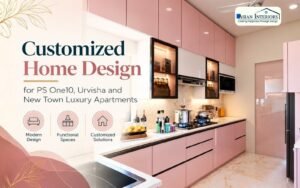
New Town has become a major destination for premium residential living, with homeowners looking for design solutions that go beyond standard packages. Whether you own a home at PS One10, Urvisha The Condoville, Vaanya or another premium development, the apartment itself is only the starting point. A customized luxury home design should respond to the property’s dimensions, your family’s routines, the way you entertain and how your needs may change over time.
Apartments with similar room counts can still have different orientations, wall dimensions, views and storage opportunities. More importantly, families use their homes differently. A generic package may provide furniture, but a customized strategy begins with the actual lifestyle.
Ask practical questions: Who leaves home first in the morning? Is there a regular work-from-home requirement? How often do guests visit? Do you need a formal dining arrangement or a more relaxed one? These answers can influence the layout more meaningfully than a style trend.
Customized wardrobes, TV units, study areas, crockery storage and utility solutions can use space more effectively. However, customization should be purposeful. Choose it where it improves fit, function or visual integration.
A luxury home does not require every wall to be a feature wall. Use proportion, material continuity and carefully placed focal points. A restrained design can often feel more sophisticated and timeless.
Lighting, charging, workstations and entertainment systems should be considered alongside the furniture layout. Early planning can reduce visible wires and awkward service additions later.
Premium apartments often need storage for luggage, linens, seasonal items, cleaning equipment and household supplies. Planning these spaces early keeps the visible areas of the home calmer.
Choose durable materials and hardware in high-use areas. Consider future flexibility for children’s rooms, study spaces and evolving family needs. Long-term usability is an important part of premium design value.
The overall design process can be consistent, but every property and family should receive a customized layout and requirement-based solution.
It can be particularly valuable when standard furniture does not fit well or cannot meet specific storage and functional needs.
Review relevant work, understand the planning process, compare scope clearly and choose a team that asks detailed questions about your lifestyle.
Start with layout, storage, lighting, durable high-use elements and the rooms that have the greatest impact on your daily life.
Yes. The strongest luxury homes combine comfort, durability, organization and visual refinement.
Own a premium apartment in New Town? Asian Interiors can help you develop a customized design strategy that connects your lifestyle, space requirements and aesthetic preferences into one complete home.

Many homeowners begin thinking seriously about their home only when possession or move-in is close. That can create unnecessary pressure. For people searching for Premium interior designer at Merlin Fourth Avenue interior designer, the pre-possession period can be an opportunity to organize requirements and create a practical design roadmap. Starting early does not require committing immediately to every decorative detail. It means making the decisions that will affect layout, services, storage and customized work in a more considered way.
List every room and its intended purpose. Note essential furniture, storage, appliances, electrical requirements and special needs. Include existing items you plan to retain.
Property plans are useful, but final measurements should be confirmed before customized furniture is fabricated. Small differences can affect wardrobes, appliances, wall units and circulation.
The layout influences many later decisions. Television points, study areas, bedside switches and lighting locations should follow how furniture will actually be positioned.
Think beyond standard points. Consider charging, workstations, routers, televisions, mirrors, appliances and future needs. A complete furniture layout makes this discussion easier.
Separate essential functional investments from optional upgrades. This can help homeowners make confident decisions without losing sight of the overall design.
Certain decisions affect other activities. Measurements and layouts should generally be resolved before related customized work, while some decorative choices can be finalized later.
Agree on how site visits, approvals and updates will be handled. A clear communication process is useful for homeowners who cannot visit the property frequently.
Begin practical planning early enough to develop requirements and layouts without rushing. Exact timing depends on property access and your intended move-in schedule.
Property plans, available measurements, family requirements, inspiration references, existing furniture details, budget priorities and target move-in timing are useful.
The layout influences storage, electrical points, lighting and customized furniture, so it can prevent later changes.
Yes. Some decorative selections can wait, but decisions that affect dimensions, services or fabrication should be considered earlier.
Use a clear checklist, approve major drawings carefully and document important decisions before related work begins.
Getting ready for your new home at Merlin Fourth Avenue? Contact Asian Interiors to create a clear design and execution roadmap before the pressure of moving in begins.

For busy professionals and high-profile families, a premium home project is not only about the final appearance. The process matters too. Coordinating separate designers, contractors, carpenters and suppliers can require considerable time and attention. Homeowners searching for a Vaanya New Town interior designer may therefore prefer a more coordinated approach where design decisions and execution stages are connected. A well-managed turnkey process can help simplify communication while still allowing the home to remain highly personalized.
Turnkey does not have to mean a one-size-fits-all package. Before appointing a team, understand which services are included, who is responsible for measurements, approvals, materials, site coordination and quality checks. Clarity at the beginning helps reduce confusion later.
The design should respond to the people living in the home. Discuss family size, work routines, entertaining habits, storage, existing furniture and future plans. This information is more valuable than selecting a style label alone.
Wardrobes, kitchens, study spaces, entertainment units and utility storage often benefit most from customization. These areas are used frequently and need to fit the property’s actual dimensions.
Premium finishes should look refined, but they also need to suit daily use. Consider cleaning requirements, durability, fingerprints, moisture exposure and repairability before finalizing materials.
When several vendors work independently, the final home can lose consistency. A coordinated design direction can connect furniture, lighting, finishes and detailing across rooms.
Not every choice needs to be made on day one, but some decisions affect later work. Establish a sequence for layout approvals, electrical requirements, materials, customized furniture and final accessories.
For premium projects with multiple details, written approvals and clear specifications can prevent misunderstandings. This is particularly useful when homeowners have limited time to visit the site frequently.
The exact scope varies. It may combine design development with agreed coordination and execution activities, so homeowners should confirm inclusions and exclusions clearly.
A coordinated approach can reduce the effort required to manage multiple independent vendors and create clearer communication channels.
Yes. Customization should be based on lifestyle, dimensions, functional requirements and aesthetic preferences.
Compare scope, specifications, materials, responsibilities, timelines and exclusions rather than looking only at the final price.
Written approvals reduce ambiguity and provide a clear reference when multiple details are being executed.

A premium home should reflect more than a design trend. It should reflect the people who live there. Homeowners searching for a PS One10 interior designer may have very different priorities: one family may want an elegant entertaining space, another may need a sophisticated home office, while another may focus on privacy and comfort. A successful premium home design starts by identifying these priorities and turning them into a coherent plan.
Luxury can mean comfort, privacy, craftsmanship, convenience or a combination of these. Begin the design process by identifying what matters most to your family. This creates a stronger foundation than copying a single reference image.
A good living room should support everyday relaxation as well as guests. Consider seating zones, conversation flow, television placement, display requirements and flexible lighting. Avoid filling every wall with storage or decoration; visual breathing space can be as valuable as furniture.
Bedrooms should feel personal while remaining connected to the home’s overall design language. Customized wardrobes, integrated study areas, bedside lighting and practical charging points can improve daily comfort.
Instead of using a different dramatic finish in every room, establish a controlled palette. Repeat selected tones or textures in complementary ways. This often creates a more sophisticated result.
Bespoke furniture is most effective when it solves a specific problem: an awkward wall, insufficient storage, a work requirement or the need for a multi-functional room. Customization should add value, not simply add complexity.
Children’s rooms, study areas and storage requirements can change. Flexible layouts and adaptable furniture can extend the useful life of the design.
Hardware, drawer systems, frequently used shutters, work surfaces and lighting controls influence daily experience. Premium design is often felt through these details long after the decorative novelty has faded.
Start with your routines and priorities, then customize layouts, storage, lighting and selected furniture around them.
Good proportions, restrained material selection, layered lighting and uncluttered planning can create a sophisticated result.
No. Customize where it improves functionality, fit or visual integration. Standard pieces can still be appropriate in other areas.
Consider flexible rooms, integrated storage and electrical requirements early so the space can adapt later.
Asian Interiors can be consulted for customized residential planning and coordinated execution based on your project requirements.
Turn your PS One10 apartment into a home designed around your lifestyle. Contact Asian Interiors for a personalized consultation and a clearer roadmap from concept to execution.

For many homeowners, the period before moving into a new apartment is the best time to make important design decisions. Searching for an Urvisha The Condoville interior designer often means you are thinking ahead about how an empty apartment can become a personalized home. Early planning does not mean rushing into execution. It means understanding requirements, preparing layouts, comparing options and reducing the pressure of making every decision at the last minute.
Create a written brief covering family members, room usage, storage, work requirements, entertaining habits and preferred aesthetic direction. Include a list of furniture and appliances you already own. This gives the design process a practical starting point.
A premium sofa or dining table can still be the wrong choice if it disrupts circulation. Use the property dimensions to understand furniture scale, door clearances and movement paths before making major purchases.
Consider charging points, bedside requirements, workstations, television locations, mirrors and appliances. Lighting should be planned around the furniture layout so task, ambient and accent lighting can work together.
Many homes have adequate clothing storage but insufficient space for cleaning equipment, luggage, linens, seasonal items and household essentials. A complete storage strategy can make the finished home feel significantly more organized.
Compare samples rather than relying only on catalogue images. Consider texture, maintenance, durability and how the finish appears under the home’s lighting. Premium design is often about making fewer but better-considered choices.
A priority-based plan can help distinguish between must-have functional investments and optional decorative upgrades. This does not mean compromising the design; it means allocating resources where they create the greatest daily value.
Design approvals, measurements, services, ceilings, customized work and finishing activities should follow a coordinated order. Frequent late changes can increase complexity and affect timelines.
The earlier you begin practical planning, the more time you have to understand requirements, develop layouts and make material decisions without unnecessary pressure.
Yes. A personalized design process should account for routines, storage needs, work requirements and aesthetic preferences.
The broad layout, major furniture dimensions, key service requirements, selected scope and important materials should be discussed clearly.
It helps organize decisions and reduces the risk of overlooking measurements, appliances, storage or service requirements.
Asian Interiors can discuss design planning and coordinated execution options based on the requirements and scope of your project.
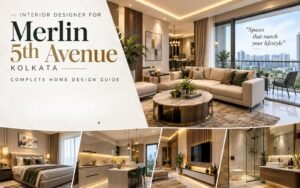
A home at a premium residential address should feel complete, not assembled room by room over time. Homeowners looking for a Merlin 5th Avenue interior designer can benefit from planning the entire property before fabrication or furniture purchases begin. A full-home approach makes it easier to coordinate colours, materials, lighting, storage and circulation while still giving each room its own personality. The result can be a more timeless home with fewer last-minute changes.
Start by listing every room and how it will be used. Include daily activities, guests, storage, appliances, work requirements and any existing furniture. Separate essential requirements from optional upgrades. This prevents the project from being driven entirely by visual inspiration.
The entry should be practical as well as elegant. Consider where shoes, keys and everyday items will go. A compact customized unit or discreet storage can keep the first view of the home uncluttered.
Living and dining spaces often work together, so furniture proportions and circulation should be planned as a group. A dining table that is technically the right size may still feel too large if chairs cannot move comfortably. Consider entertaining patterns and leave enough flexibility for daily use.
The master bedroom may need a calm visual palette, layered lighting and generous wardrobe organization. Children’s rooms can benefit from adaptable storage, while a guest room may need multi-functional furniture. The key is to design for actual routines rather than a generic showroom concept.
Premium homes can still feel cluttered when storage is treated as an afterthought. Plan wardrobes, utility storage, linen areas and specialized units early. Full-height storage can use vertical space efficiently when proportioned carefully.
Kitchen planning should begin with actual cooking habits and appliance sizes. Consider workflow between preparation, cooking and cleaning zones. Electrical and plumbing requirements should be coordinated before related finishes are finalized.
A premium look often comes from restraint. Choose a core palette and allow selected materials to repeat across different rooms in complementary ways. This creates continuity without making every room identical.
Trends change, but daily habits remain. Select durable hardware, practical finishes and layouts that can continue to work as the family’s needs evolve.
For a cohesive premium result, full-home planning can coordinate finishes, circulation and budgets more effectively while allowing individual rooms to retain their own character.
Yes. Bespoke furniture can respond to actual wall dimensions and storage requirements, reducing awkward unused areas.
Start with how you want the home to feel and how you live. A designer can then translate selected references into a practical, consistent design direction.
Layout, dimensions, appliance requirements, electrical points, materials and functional details should be reviewed carefully.
A coordinated scope can simplify communication by aligning design and execution responsibilities under a clearer process.
Own a home at Merlin 5th Avenue? Speak with Asian Interiors about a customized full-home design that balances premium aesthetics with everyday comfort and practical long-term value.
When you search for a home interior designer near me you might assume you’ll need a huge budget to create a space that reflects your personality. But here’s the good news — personalizing your home interiors doesn’t always mean spending big! With smart choices, a creative mindset, and a little guidance, you can turn your home into a beautiful reflection of you without draining your wallet.
Before rushing to buy new things, take a good look at what’s already in your home. Can that old wooden table be sanded and painted for a fresh, modern look? Can you rearrange your furniture to open up space or create a cozy nook? Many times, simple changes can make a space feel new without spending a rupee.
There’s something special about adding handmade or DIY décor. Think painted plant pots, custom photo frames, or even a wall of your own artwork or family photos. These small, personal touches add warmth and character to any room — and they cost far less than store-bought décor.
You don’t have to fill your home with designer pieces. Combine a few quality or statement items (like a beautiful light fixture or a stylish rug) with budget-friendly finds. Thrift shops, flea markets, and online sales often hide unique gems that can elevate your space affordably.
Painting a wall or adding colorful cushions can completely transform a room without a big investment. Many homeowners consult an interior designing company in Kolkata to get tips on color combinations, fabric choices, or budget-friendly materials. You can mix textures — like a woven basket, velvet cushion, or wooden tray — to create visual interest. Even something as simple as changing your curtains or bedspread can give a fresh, personalized vibe.
Personalization isn’t just about big rooms. Focus on small areas like a reading corner, entryway, or balcony. Add a cozy chair, a stack of your favorite books, a small rug, or a few potted plants. These details can make even the tiniest spaces feel uniquely yours.
Plants are an affordable way to add life and personality to any room. Whether it’s a small succulent on a desk, hanging plants near a window, or a few fresh flowers on the dining table, greenery creates warmth and a natural connection inside your home.
Sometimes, even with a small budget, it’s worth consulting a home interior designer near me to get expert advice on layout, color schemes, or affordable material choices. Many designers offer flexible packages or consultation-only services that won’t break the bank but can help you avoid costly mistakes.
Conclusion
Personalizing your home is about expressing you, not about spending big. By blending creativity, thoughtful choices, and a touch of expert guidance, you can achieve a beautiful, personalized space without overspending. So, the next time you search for a home interior designer near me, remember — it’s not just about how much you spend, but how wisely you design your home to tell your story.
When it comes to enhancing your property value, most people will consider renovations, repairs, or extensions. Yet, one of the best and least valued ways of property value improvement is through intelligent and tactful interior designing. If you’re selling, renting, or simply beautifying your house, getting a professional Interior designing company in kolkata can go a long way in enhancing the appearance as well as value of your house.
Interior design is more than making a space look nice; it’s about optimizing use, streamlining layouts, and establishing an emotional connection with every person who steps through the door. Prospective buyers or tenants will make instant judgments based on first impressions. Good interior design naturally instills a sense of comfort, luxury, and habitability—the same factors that increase property value.
Effective interior design makes the most of every square inch of room. Creative storage, open-plan areas, and multi-functional pieces of furniture make even small areas look larger and more functional. Space perception immediately affects the property’s overall value.
A well-planned design theme, updated color schemes, and elegant finishes can totally revamp the atmosphere of a house. A comfortable, well-designed interior establishes a lasting impression on potential buyers and provides perceived value. Spending funds on new lighting, wall texture, flooring, and furniture positioning can provide a great return on investment.
These two spaces are the most critical regarding property valuation. A dated kitchen or bathroom can instantly lower appeal. With professional designers providing interior design services in kolkata you can refurbish these spaces using modern fittings, modular installations, and functional layouts that greatly boost your home’s marketability.
Interior design augmenting smart home features or green elements not only makes the home more functional but also attracts broader, trendier communities of buyers. Consider energy-efficient lighting, smart curtains, or earth-conscious materials such as bamboo flooring and reclaimed wood furnishings.
Customers don’t purchase homes—they purchase a lifestyle. A tastefully designed home that is cozy, sophisticated, and comfortable speaks with customers at an emotional level. From snug reading rooms through to fine dining rooms and lavish bedrooms, interior design can turn an ordinary property into a dream home.
DIY decorating is cute, but there’s technical knowledge, creativity, and new eyes that a professional designer has to offer. They can identify architectural positives, conceal negatives, and bring your area up to code and current trends in the marketplace.
Conclusion
Interior designing is a great asset in maximizing the market value of any piece of property. You may be looking to sell, or you just wish to lead a more luxurious lifestyle, and an investment in quality designing turns out to be profitable as well as aesthetically pleasing. If you wish to discover the maximum potential of your house, the service of a well-known interior designing company in Kolkata can provide you with the competitive advantage that you require to survive in today’s real estate scenario.