Introduction
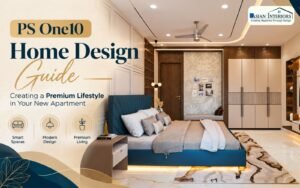
A premium home should reflect more than a design trend. It should reflect the people who live there. Homeowners searching for a PS One10 interior designer may have very different priorities: one family may want an elegant entertaining space, another may need a sophisticated home office, while another may focus on privacy and comfort. A successful premium home design starts by identifying these priorities and turning them into a coherent plan.
Define Your Version of Premium Living
Luxury can mean comfort, privacy, craftsmanship, convenience or a combination of these. Begin the design process by identifying what matters most to your family. This creates a stronger foundation than copying a single reference image.
Plan the Living Room for Multiple Occasions
A good living room should support everyday relaxation as well as guests. Consider seating zones, conversation flow, television placement, display requirements and flexible lighting. Avoid filling every wall with storage or decoration; visual breathing space can be as valuable as furniture.
Give Private Rooms Their Own Character
Bedrooms should feel personal while remaining connected to the home’s overall design language. Customized wardrobes, integrated study areas, bedside lighting and practical charging points can improve daily comfort.
Create Continuity Through Proportion and Materials
Instead of using a different dramatic finish in every room, establish a controlled palette. Repeat selected tones or textures in complementary ways. This often creates a more sophisticated result.
Plan Customized Furniture Around Real Needs
Bespoke furniture is most effective when it solves a specific problem: an awkward wall, insufficient storage, a work requirement or the need for a multi-functional room. Customization should add value, not simply add complexity.
Consider Future Flexibility
Children’s rooms, study areas and storage requirements can change. Flexible layouts and adaptable furniture can extend the useful life of the design.
Choose Quality Where You Touch It Every Day
Hardware, drawer systems, frequently used shutters, work surfaces and lighting controls influence daily experience. Premium design is often felt through these details long after the decorative novelty has faded.
Practical Tips Before You Start
- Write down the top five lifestyle priorities for the home.
- Create a separate list for existing furniture and appliances.
- Choose a core material palette before selecting accessories.
- Reserve budget for durable functional elements.
- Plan rooms with possible future changes in mind.
Mistakes to Avoid
- Copying a showroom without adapting it to the apartment.
- Using expensive finishes everywhere without hierarchy.
- Underestimating maintenance requirements.
- Ignoring practical storage.
- Selecting statement furniture before understanding scale.
Frequently Asked Questions
How can I make my PS One10 apartment feel more personalized?
Start with your routines and priorities, then customize layouts, storage, lighting and selected furniture around them.
What creates a luxury look without excessive decoration?
Good proportions, restrained material selection, layered lighting and uncluttered planning can create a sophisticated result.
Should I customize every piece of furniture?
No. Customize where it improves functionality, fit or visual integration. Standard pieces can still be appropriate in other areas.
How can I plan for a future home office?
Consider flexible rooms, integrated storage and electrical requirements early so the space can adapt later.
Does Asian Interiors provide full-home planning?
Asian Interiors can be consulted for customized residential planning and coordinated execution based on your project requirements.
Plan Your Home with Asian Interiors
Turn your PS One10 apartment into a home designed around your lifestyle. Contact Asian Interiors for a personalized consultation and a clearer roadmap from concept to execution.